
Lesson 2: Sir Banting

Dear History Enthusiasts,
In this edition of Roundabout History, we embark on a journey through the life and contributions of a true Canadian hero: Sir Frederick Grant Banting. From groundbreaking medical discoveries to courageous wartime service and artistic endeavours, Banting's multifaceted legacy continues to inspire and resonate across the ages.
Sir Frederick Grant Banting, a Canadian pharmacologist, etched his name in the annals of medical history with his co-discovery of insulin—a breakthrough that revolutionized the treatment of diabetes and saved countless lives worldwide. His tireless research alongside Charles Best led to the isolation of insulin in 1921, marking a watershed moment in the field of medicine and earning him the Nobel Prize in Physiology or Medicine in 1923.
However, Banting's influence transcended the confines of the laboratory. Serving with distinction as a medical officer in France during World War I, he bore witness to the harrowing toll of conflict on both the human body and spirit. These firsthand experiences would profoundly shape his subsequent endeavours, fueling his dedication to mitigating suffering and propelling advancements in medical science. Throughout World War II, Banting continued his service, this time as a liaison officer with the British Army, leveraging his medical expertise to bolster the war effort. His unwavering commitment to duty and exceptional courage earned him not only the admiration of his fellow soldiers but also the prestigious Military Cross in 1918 for his valour and service during World War I. This esteemed decoration served as a testament to his bravery and steadfast dedication to duty. Moreover, his appointment as Knight Commander of the Most Excellent Order of the British Empire (Civil Division) in 1934 further underscored his profound impact and revered status within the Commonwealth nations, solidifying his legacy as an esteemed figure of both scientific and military excellence.
A man of diverse talents and interests, he also spearheaded significant advancements in aviation medicine, pioneering some of Canada's earliest research endeavours in these critical fields. In the realm of aviation medicine, Banting conducted pioneering studies on the physiological effects of high-altitude flying, specifically undertaking the problem of g-force blackout. Due to the rapid advancements of aviation technology, pilots were now flying higher and faster, with a great increase in maneuverability. His research aimed to understand how prolonged exposure to low atmospheric pressure and oxygen levels affected pilots' health and performance. Banting's insights laid the groundwork for developing strategies to mitigate the risks associated with high-altitude flight, ultimately enhancing aviation safety and pilot well-being. Specifically, he was crucial in the invention of the flight suit and an advocate for creating the first human centrifuge on Allied territory to study the effect of g-force on the human body.
These examples underscore Banting's multidisciplinary approach to scientific inquiry and his unwavering commitment to advancing knowledge in diverse fields for the betterment of society.
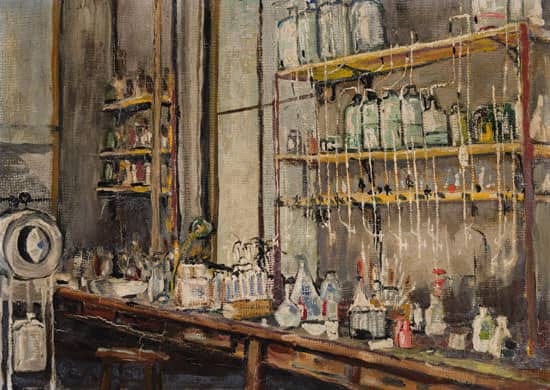
Beyond his scientific pursuits, Banting was also a gifted artist ( I highly recommend checking these out)—a testament to the importance of being well-rounded. His passion for painting not only provided a creative outlet but also instilled in him a unique perspective and curiosity that fueled his scientific inquiries. Indeed, those who are both exact and creative, like Banting, possess the ability to ask questions and perceive the world in ways unlike anyone else.
In reflecting on the impactful life of Sir Frederick Grant Banting, may we draw inspiration from his courage, compassion, and relentless pursuit of knowledge. His unwavering commitment to bettering humanity serves as a powerful reminder of the profound influence one person can have on the world. I hope you found this insight as inspirational as I did when I first learned of him.
Until next time, remember to embrace the lessons of history, but never get caught up in its cobwebs.
Warm regards,
Hugh
“It is not within the power of the properly constructed human mind to be satisfied. Progress would cease if this were the case”
-Sir Frederick Banting